
Why Regular Calibration of Lab Instruments Is Important Look at This

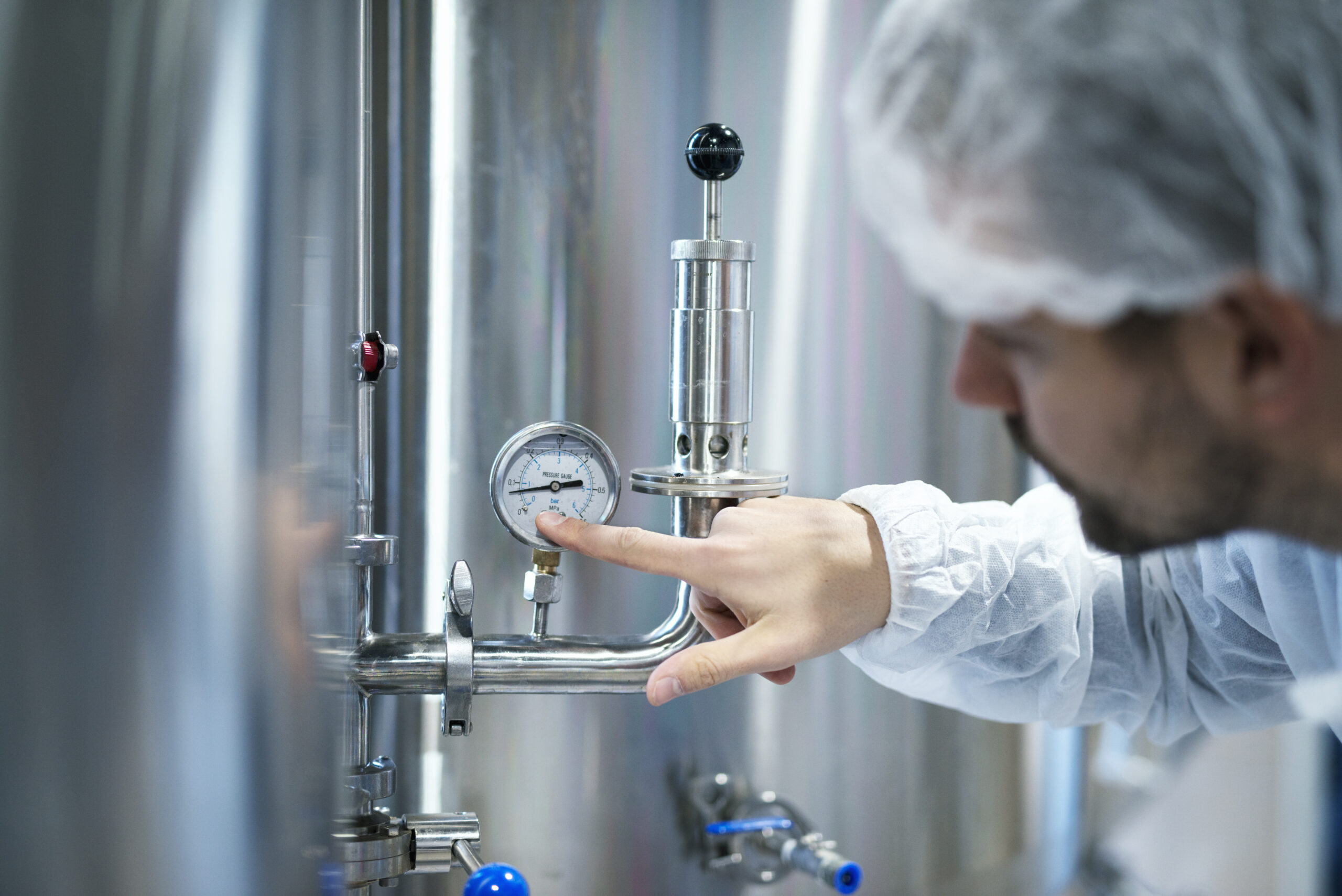
Regular calibration of laboratory instruments most essential practices in any scientific, industrial, or educational laboratory. Accurate results form the backbone of research and analysis, and even the most advanced equipment can drift from its original accuracy due to continuous usage, environmental conditions, or mechanical wear. Calibration ensures that instruments continue to perform within defined accuracy limits and deliver reliable, consistent results every time. In laboratories where a minor deviation can lead to incorrect conclusions, financial loss, safety risks, or regulatory issues, consistent calibration is not just recommended—it is a necessity. Understanding the importance of calibration helps laboratories maintain measurement quality, improve performance, and ensure the validity of their scientific outcomes.
1. Ensures Accuracy and Reliability of Results
The primary reason calibration is important is to ensure that lab instruments deliver precise and reliable data. Over time, instruments like pH meters, balances, spectrophotometers, thermometers, and centrifuges may gradually lose accuracy due to factors such as wear and tear, temperature changes, mechanical stress, or electronic drift. When an instrument is calibrated against known standards, it confirms that the device is measuring correctly within acceptable limits. This accuracy is vital for research integrity, quality control, product development, educational experiments, and regulatory compliance. Without regular calibration, even small errors can multiply and affect the overall validity of scientific conclusions.
2. Maintains Consistency Across Multiple Experiments
Scientific research depends heavily on repeatability. If an instrument provides accurate results one day but deviates the next, it becomes impossible for researchers to rely on the data generated. Regular calibration ensures that instruments maintain consistent performance over extended periods. This consistency is especially important in pharmaceutical testing, chemical analysis, food quality control, and environmental testing, where experiments must deliver identical results under identical conditions. By calibrating instruments regularly, laboratories can maintain a stable workflow and avoid unnecessary variations in experimental outcomes.
3. Supports Quality Control and Regulatory Compliance
Many industries, including pharmaceuticals, biotechnology, medical diagnostics, and manufacturing, operate under strict standards regulated by authorities such as ISO, GLP, GMP, NABL, FDA, and WHO. These regulations require laboratories to maintain accurate measurement records, ensure instrument performance, and follow proper calibration schedules. Failure to calibrate instruments on time can lead to non-compliance, audit failures, product recalls, legal issues, or even shutdown of operations. Regular calibration helps laboratories meet regulatory demands and maintain confidence that all processes are scientifically valid and legally compliant.
4. Prevents Costly Errors and Sample Wastage
An uncalibrated instrument can produce inaccurate results that may go unnoticed until significant damage has already occurred. For example, an improperly calibrated weighing balance can cause incorrect chemical formulations, while a miscalibrated pH meter may lead to failed reactions or contaminated samples. These errors can result in wasted chemicals, spoiled samples, repeated experiments, financial loss, or even equipment damage. Regular calibration acts as a preventive measure that protects laboratories from these costly mistakes and ensures resources are used efficiently.
5. Enhances Equipment Lifespan and Performance
Calibration is not just about adjusting accuracy—it also plays a crucial role in maintaining overall equipment health. During calibration, technicians examine internal components, check for wear or malfunction, and ensure that the instrument operates within safe performance limits. Detecting minor issues early prevents major breakdowns, reduces repair costs, and extends the lifespan of the equipment. Well-calibrated instruments experience less strain, consume fewer resources, and function more efficiently, making calibration a long-term investment in equipment reliability.
6. Builds Confidence in Scientific Data and Decision-Making
Reliable data is the foundation of decision-making in laboratories. Whether determining chemical concentrations, conducting microbiological tests, evaluating product quality, or analyzing environmental samples, researchers must trust the accuracy of their instruments. Calibration provides this assurance by verifying that results are based on precise and repeatable measurements. When scientists, technicians, and auditors have confidence in the data, they can make informed decisions without worrying about hidden inaccuracies or instrument deviations.
7. Reduces Research Errors and Improves Workflow Efficiency
Inaccurate instruments can slow down laboratory operations by causing repeated experiments, troubleshooting sessions, and inconsistent results. Regular calibration minimizes these disruptions by ensuring that every device is functioning correctly. A calibrated instrument performs smoothly, speeds up workflow, and reduces the time spent identifying and correcting errors. This efficiency allows researchers to focus more on innovation, analysis, and discovery rather than dealing with preventable equipment problems.
8. Ensures Safety in Sensitive Laboratory Processes
Safety is a major concern in laboratories that work with chemicals, high temperatures, biological samples, or mechanical equipment. Inaccurate readings from instruments like incubators, ovens, autoclaves, or thermometers can lead to hazardous situations such as overheating, contamination, or equipment malfunction. Calibration ensures that these safety-related devices operate within safe limits and protect both laboratory personnel and experimental materials. Proper calibration reduces risks and creates a controlled and stable laboratory environment.
9. Supports Standardization and Collaboration
When multiple laboratories collaborate on research, standardization becomes essential. This means all participating labs must rely on instruments that produce comparable results. Regular calibration helps achieve this uniformity and ensures that data collected from different locations remains accurate and compatible. Without calibration, comparing results across laboratories becomes unreliable, which can affect joint research projects, multi-location experiments, and large-scale scientific studies.
10. Sustains Scientific Integrity and Research Credibility
Scientific integrity depends on the accuracy and honesty of data. When calibration is overlooked, even unintentional errors can undermine the credibility of research findings. Journals, institutions, and regulatory bodies expect laboratories to use calibrated instruments to maintain trust and transparency. Regular calibration supports research credibility by ensuring that every piece of data comes from a validated, accurate, and trustworthy source.
Conclusion
Regular calibration of laboratory instruments is essential for maintaining accuracy, ensuring consistent performance, supporting regulatory compliance, preventing costly errors, and protecting overall equipment health. It strengthens scientific integrity, improves workflow efficiency, enhances decision-making, and ensures safety in complex laboratory environments. By following proper calibration schedules, laboratories can achieve precise, reliable, and reproducible results—allowing researchers to work with confidence and maintain the highest standards of scientific excellence.